
We start with Kickboxing – Muay Thai style to build solid striking skills. Then we introduce No-GI Jiu-Jitsu for strong grappling foundation with standing and ground submissions. Once students have developed proficiency in these areas, they progress to Combat Sambo – the jewel of MMA.
We start with Kickboxing – Muay Thai style to build solid striking skills. Then we introduce No-GI Jiu-Jitsu for strong grappling foundation with standing and ground submissions. Once students have developed proficiency in these areas, they progress to Combat Sambo – the jewel of MMA.
We start with Kickboxing – Muay Thai style to build solid striking skills. Then we introduce No-GI Jiu-Jitsu for strong grappling foundation with standing and ground submissions. Once students have developed proficiency in these areas, they progress to Combat Sambo – the jewel of MMA.
Kickboxing blends martial arts with boxing, while Muay Thai, the “Art of Eight Limbs,” has deep Thai roots. Both enhance fitness, self-defense, discipline, and confidence while fostering camaraderie in combat sports.
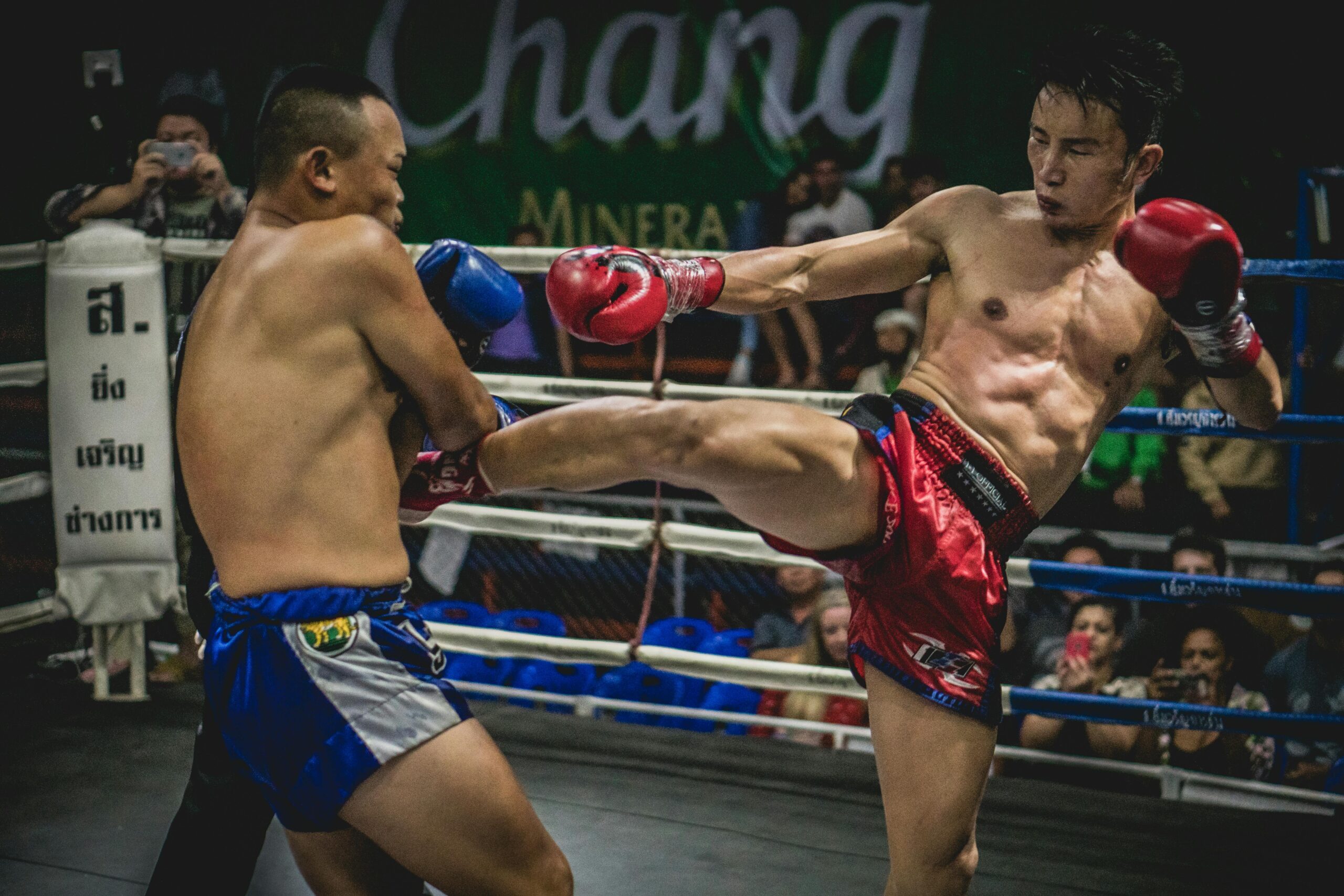
Kickboxing blends martial arts with boxing, while Muay Thai, the “Art of Eight Limbs,” has deep Thai roots. Both enhance fitness, self-defense, discipline, and confidence while fostering camaraderie in combat sports.
No-Gi Jiu-Jitsu, a gi-free BJJ style, emphasizes speed, control, and fluid movement. Popularized in the 1990s, it became essential for MMA fighters, adapting grappling techniques for real-world scenarios. Today, it thrives in elite competitions like ADCC Submission Fighting World Championship and remains a cornerstone of modern MMA.
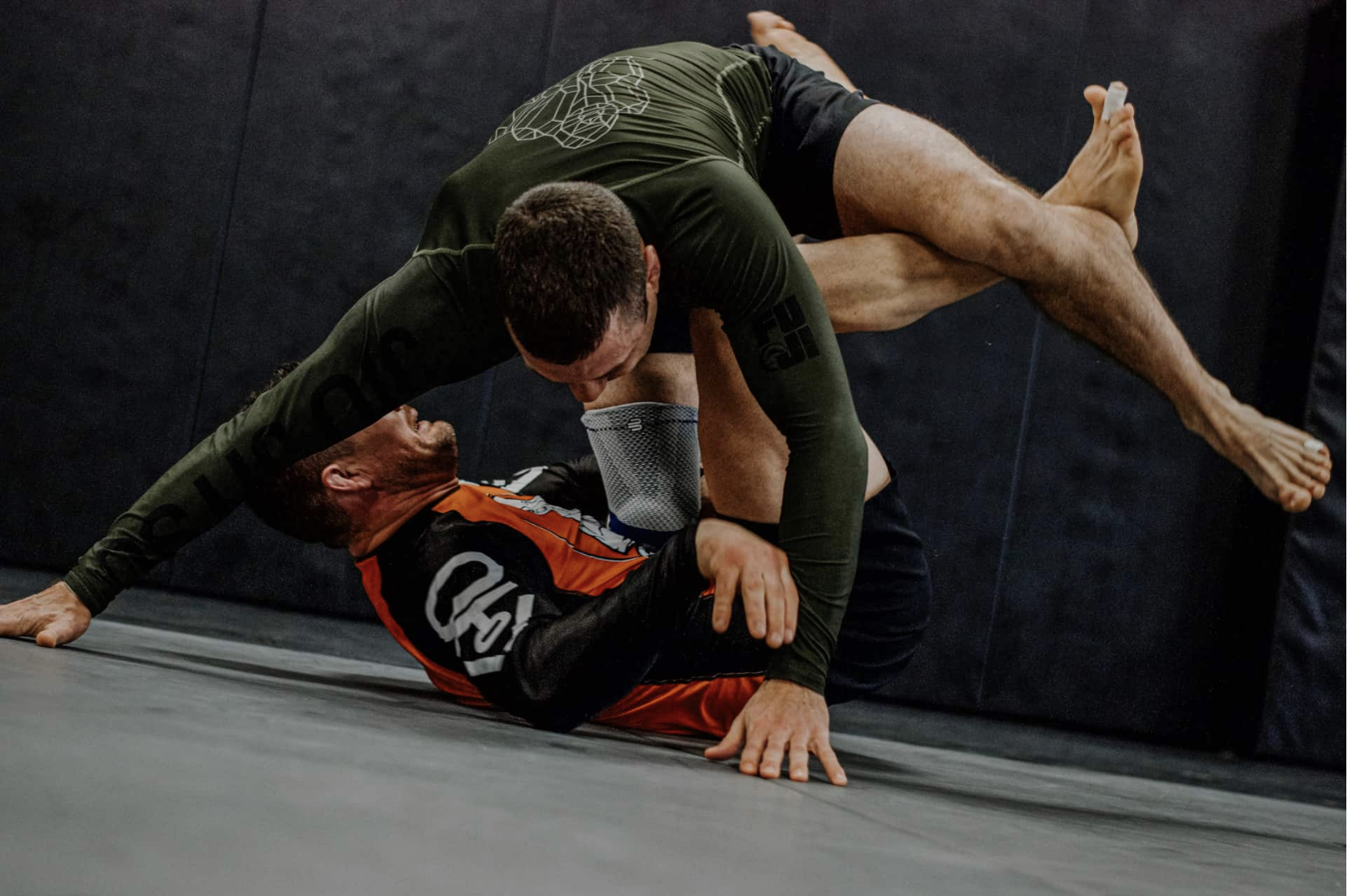
Combat Sambo, developed in the early 20th century, blends judo, wrestling, self-defense and combat. It emphasizes grappling, striking, and ground fighting, enhancing fitness, agility, and awareness. Many UFC champions have trained in Combat Sambo.

Combat Sambo, developed in the early 20th century, blends judo, wrestling, self-defense and combat. It emphasizes grappling, striking, and ground fighting, enhancing fitness, agility, and awareness. Many UFC champions have trained in Combat Sambo.

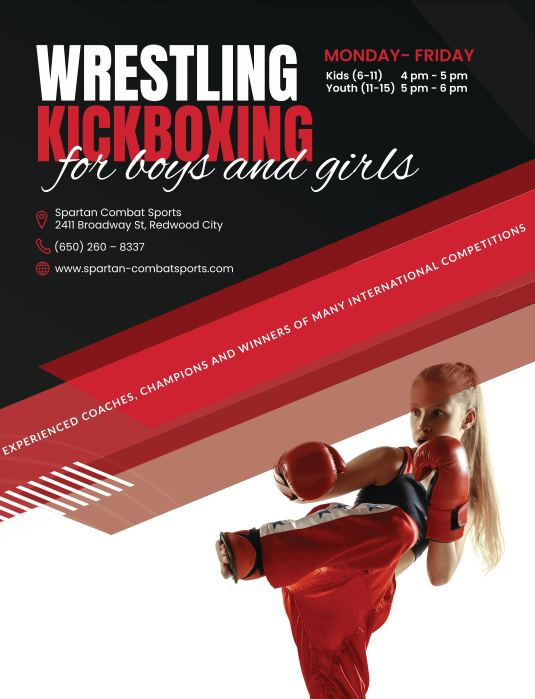
Kickboxing originated in the mid-20th century, blending traditional martial arts with Western boxing techniques. Meanwhile, Muay Thai, known as the “Art of Eight Limbs,” has a rich history in Thailand, dating back centuries as a battlefield technique and cultural sport. Training in kickboxing and Muay Thai not only improves physical fitness and strength but also enhances mental discipline and self-confidence. Practitioners gain valuable self-defense skills and learn effective striking techniques that are applicable in various combat sports. Additionally, these martial arts foster community and camaraderie, making workouts both engaging and empowering.

Kickboxing originated in the mid-20th century, blending traditional martial arts with Western boxing techniques. Meanwhile, Muay Thai, known as the “Art of Eight Limbs,” has a rich history in Thailand, dating back centuries as a battlefield technique and cultural sport. Training in kickboxing and Muay Thai not only improves physical fitness and strength but also enhances mental discipline and self-confidence. Practitioners gain valuable self-defense skills and learn effective striking techniques that are applicable in various combat sports. Additionally, these martial arts foster community and camaraderie, making workouts both engaging and empowering.
No-Gi Jiu-Jitsu evolved as a variation of traditional Brazilian JiuJitsu, where practitioners train without the gi (kimono), focusing on grips and submissions that don’t rely on clothing. In the 1990s, figures like Eddie Bravo and Ricardo de la Riva played key roles in popularizing the No-Gi style, making it more accessible to MMA fighters. As the sport of mixed martial arts (MMA) grew, No-Gi Jiu-Jitsu became essential for grapplers due to its emphasis on speed, control, and fluid movement. Today, No-Gi Jiu-Jitsu has its own competitions, such as the ADCC (Abu Dhabi Combat Club), and has become a dominant force in both Brazilian Jiu-Jitsu and MMA communities worldwide.
No-Gi Jiu-Jitsu evolved as a variation of traditional Brazilian JiuJitsu, where practitioners train without the gi (kimono), focusing on grips and submissions that don’t rely on clothing. In the 1990s, figures like Eddie Bravo and Ricardo de la Riva played key roles in popularizing the No-Gi style, making it more accessible to MMA fighters. As the sport of mixed martial arts (MMA) grew, No-Gi Jiu-Jitsu became essential for grapplers due to its emphasis on speed, control, and fluid movement. Today, No-Gi Jiu-Jitsu has its own competitions, such as the ADCC (Abu Dhabi Combat Club), and has become a dominant force in both Brazilian Jiu-Jitsu and MMA communities worldwide.
No-Gi Jiu-Jitsu evolved as a variation of traditional Brazilian JiuJitsu, where practitioners train without the gi (kimono), focusing on grips and submissions that don’t rely on clothing. In the 1990s, figures like Eddie Bravo and Ricardo de la Riva played key roles in popularizing the No-Gi style, making it more accessible to MMA fighters. As the sport of mixed martial arts (MMA) grew, No-Gi Jiu-Jitsu became essential for grapplers due to its emphasis on speed, control, and fluid movement. Today, No-Gi Jiu-Jitsu has its own competitions, such as the ADCC (Abu Dhabi Combat Club), and has become a dominant force in both Brazilian Jiu-Jitsu and MMA communities worldwide.
Combat Sambo originated in the Soviet Union during the early 20th century, developed as a military fighting system that combined elements of judo and wrestling with traditional Russian martial arts. Designed for self-defense and combat scenarios, it emphasizes practical techniques for grappling, striking, and ground fighting. Training in Combat Sambo enhances physical fitness, agility, and strength, while also improving self-defense skills and situational awareness.
Combat Sambo originated in the Soviet Union during the early 20th century, developed as a military fighting system that combined elements of judo and wrestling with traditional Russian martial arts. Designed for self-defense and combat scenarios, it emphasizes practical techniques for grappling, striking, and ground fighting. Training in Combat Sambo enhances physical fitness, agility, and strength, while also improving self-defense skills and situational awareness.
Combat Sambo originated in the Soviet Union during the early 20th century, developed as a military fighting system that combined elements of judo and wrestling with traditional Russian martial arts. Designed for self-defense and combat scenarios, it emphasizes practical techniques for grappling, striking, and ground fighting. Training in Combat Sambo enhances physical fitness, agility, and strength, while also improving self-defense skills and situational awareness.
Whether you’re a beginner looking to kickstart your training or a pro seeking to elevate your skills, we invite you to reach out or just drop by our gym
